The Craft
Learn
New to this? Good — everyone was once. Here's the plain-English version of what you're actually looking at, with no sales pitch attached.
Rounds, Coins, and Bars — What's the Difference
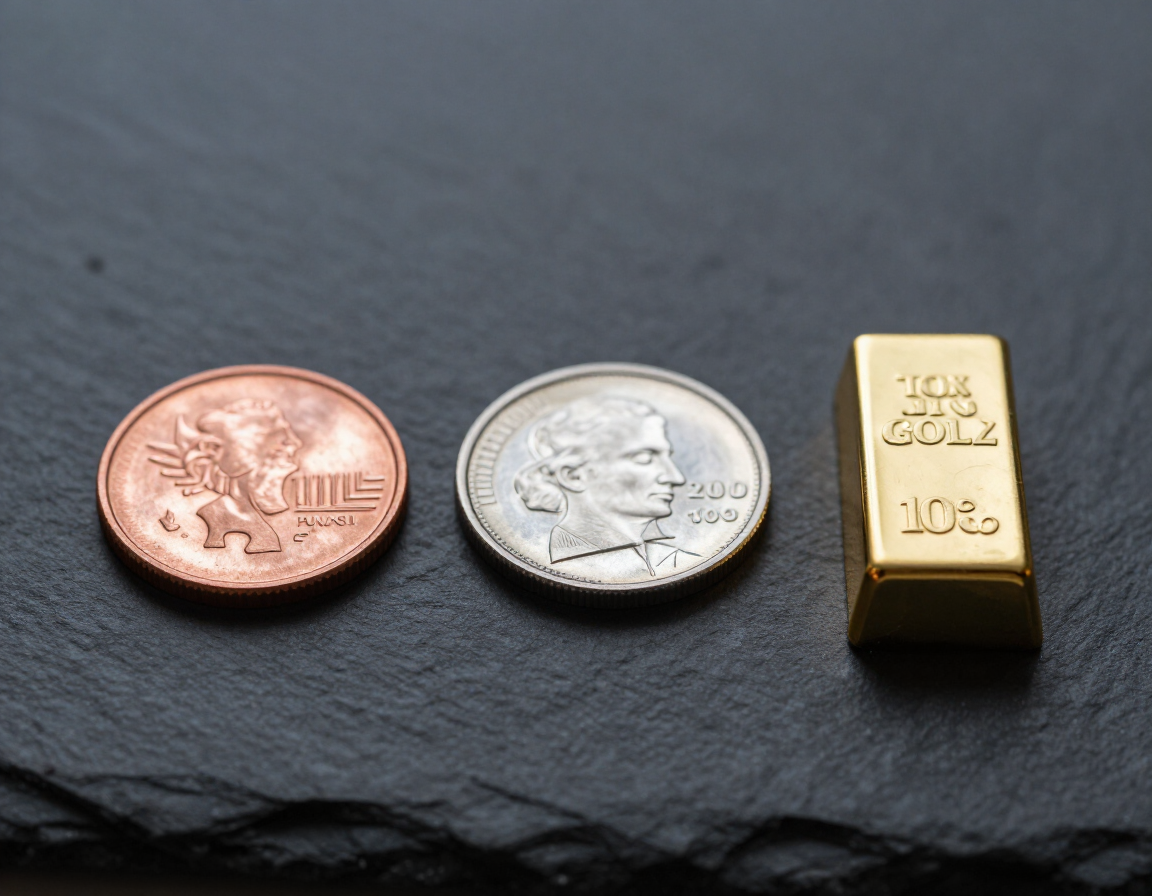
A coin is struck by a government mint and carries a face value, whether or not that value has anything to do with what it's worth. A round is coin-shaped but struck by a private mint, with no face value — it's sold for its metal and its design. A bar is exactly what it sounds like, and it's usually the cheapest way to buy weight because it's the simplest thing to make. None of the three is better than the others. They're just different reasons to buy.
What Purity Actually Means
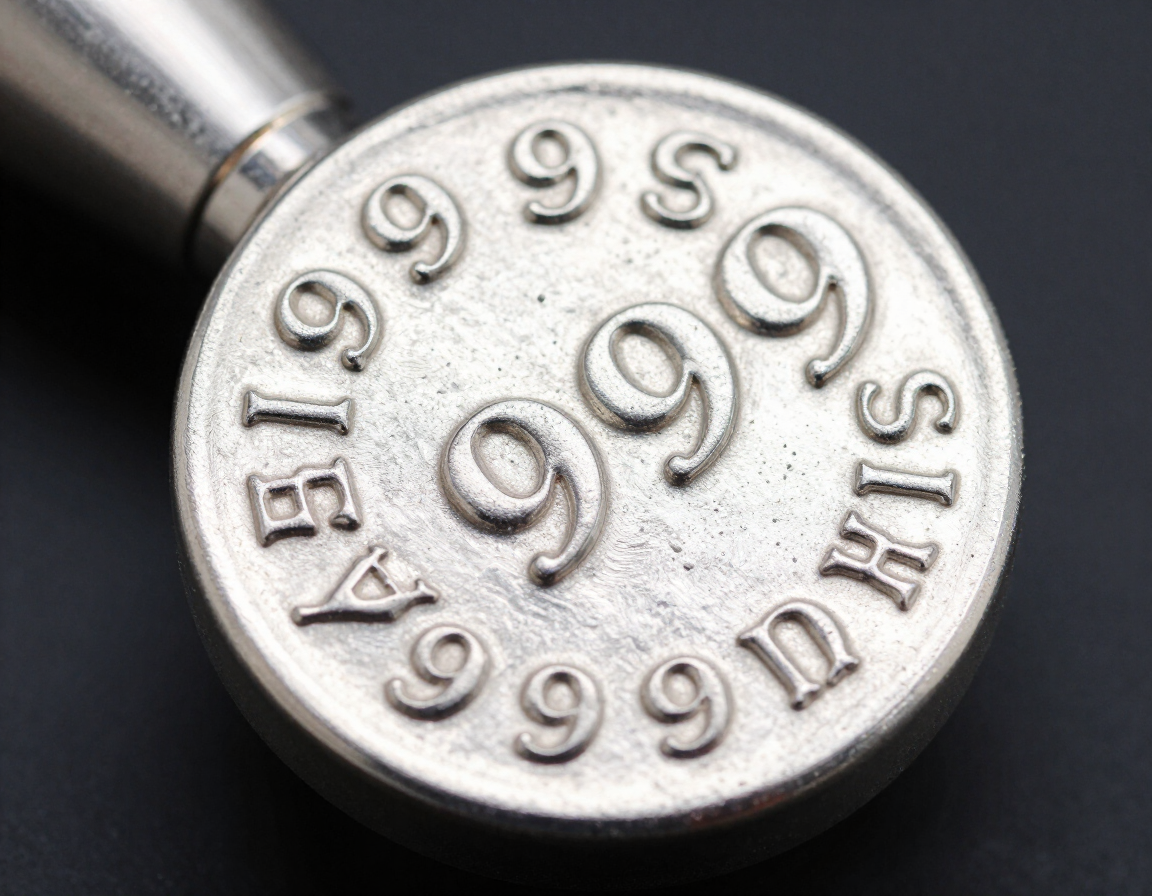
When you see .999, that's the metal's fineness — 99.9% pure. .9999 is 99.99%, and 24k gold is the same idea expressed in karats. Higher isn't automatically better; it depends what you're buying it for. A .999 copper round and a .9999 gold bar are both exactly what they claim, and the number on the piece should always match the number in the listing. If it doesn't, walk away.
Spot Price vs. Premium
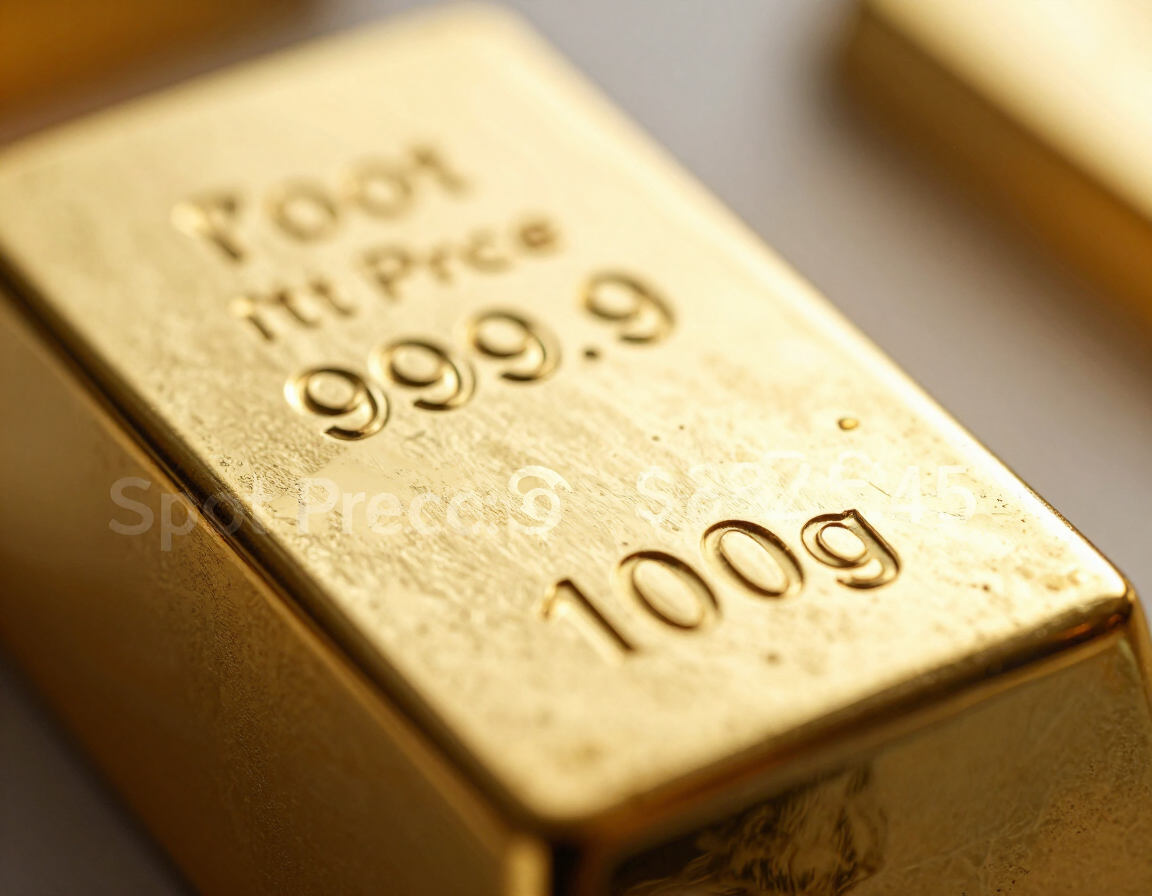
Spot is what the raw metal trades for on the open market, and it moves every day. Premium is what sits on top of spot to cover minting, distribution, and the dealer. Every piece of metal you'll ever buy costs spot plus a premium — the only question is how much. Small pieces carry higher premiums than big ones. Collectible designs carry more than plain bars. A dealer who's straight with you will tell you which you're paying for.
Why Copper
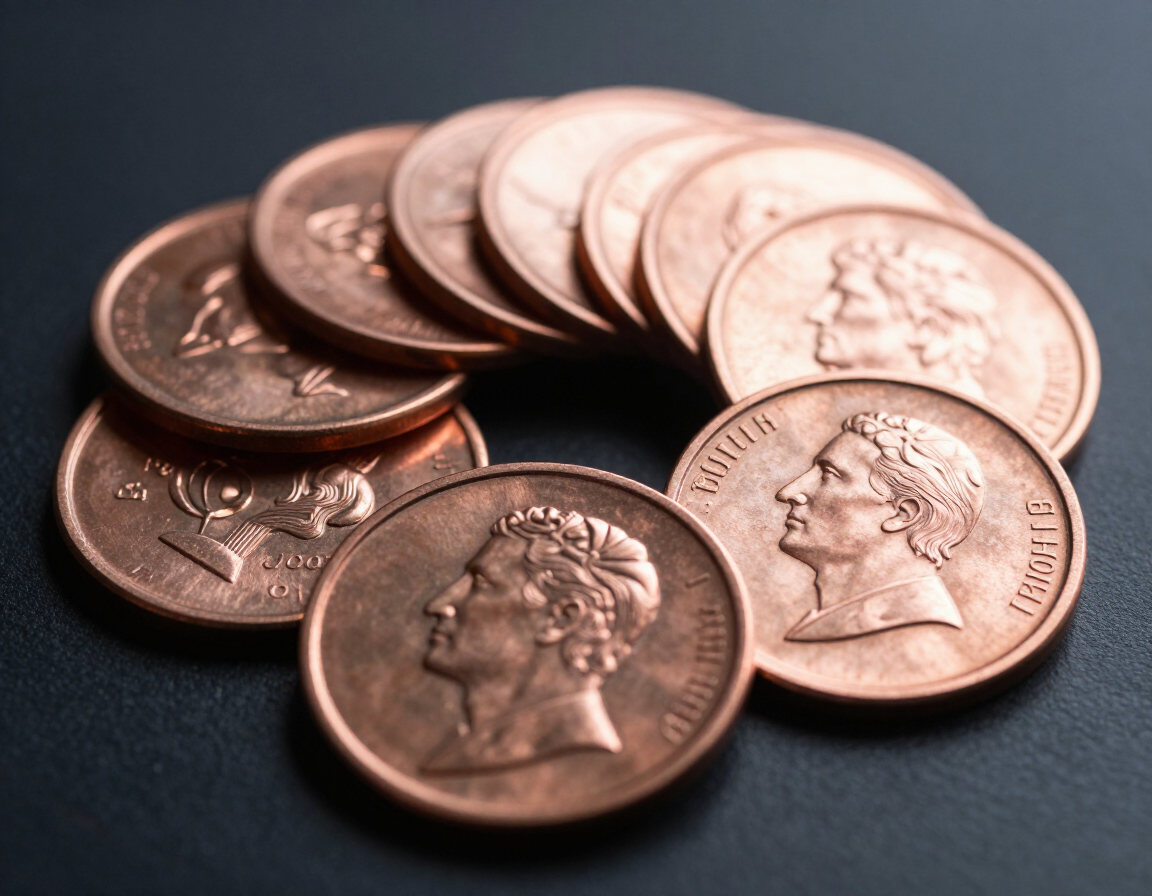
Copper gets dismissed as the cheap seat, and that's exactly what makes it a good place to start. The premiums are low, the designs are often better than what you'll find on silver, and you can build a real collection without a serious budget. It's honest metal, and there's a reason it's the first word in this shop's name.
What a Goldback Is
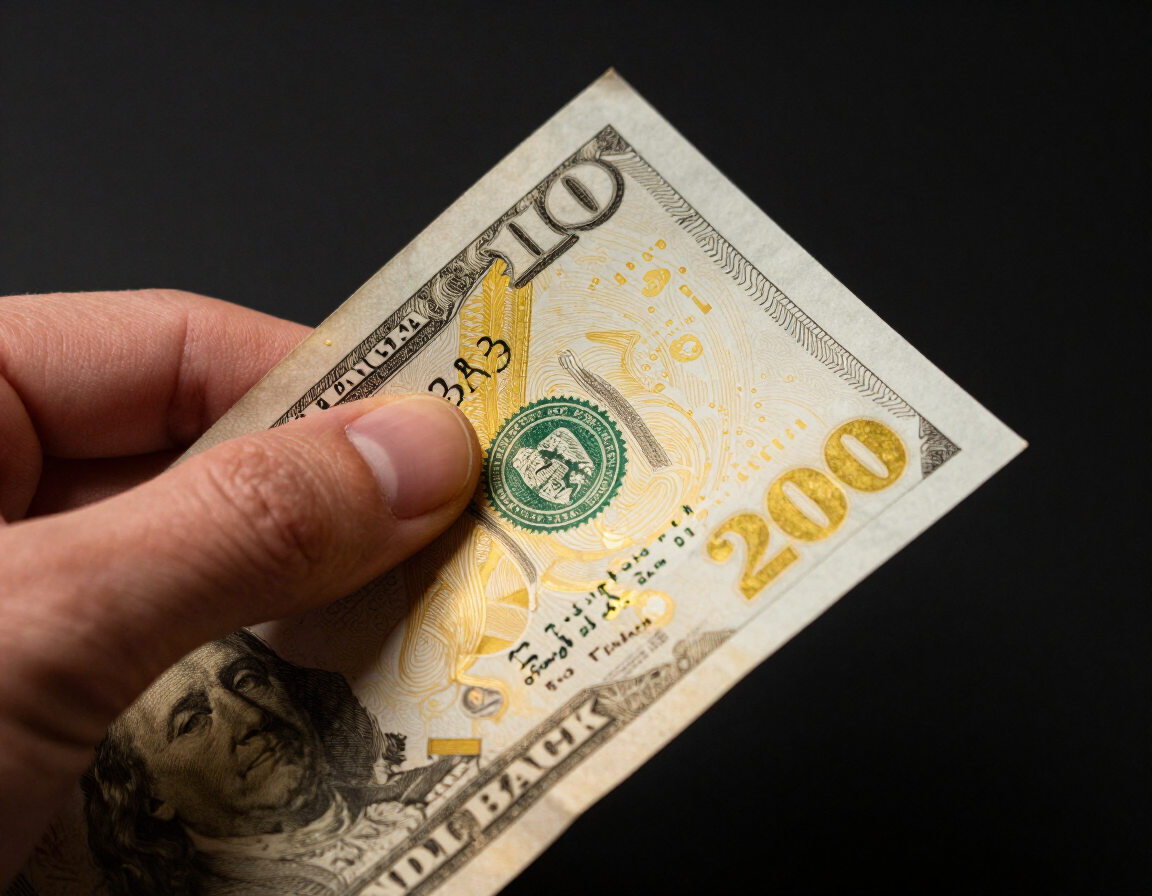
A Goldback is a gold foil note — real 24-karat gold laid into a thin, durable polymer note you can hold, minted by a private company called Valaurum. Each denomination holds a specific, labeled weight of gold, and they're designed to be spendable as a voluntary local currency. Several states have their own series, and New Hampshire is one of them — the NH series has real circulation in the state and businesses that take it. They're privately issued and not U.S. legal tender, but as a way to own fractional gold in something genuinely beautiful, there's nothing else quite like them.
Challenge Coins
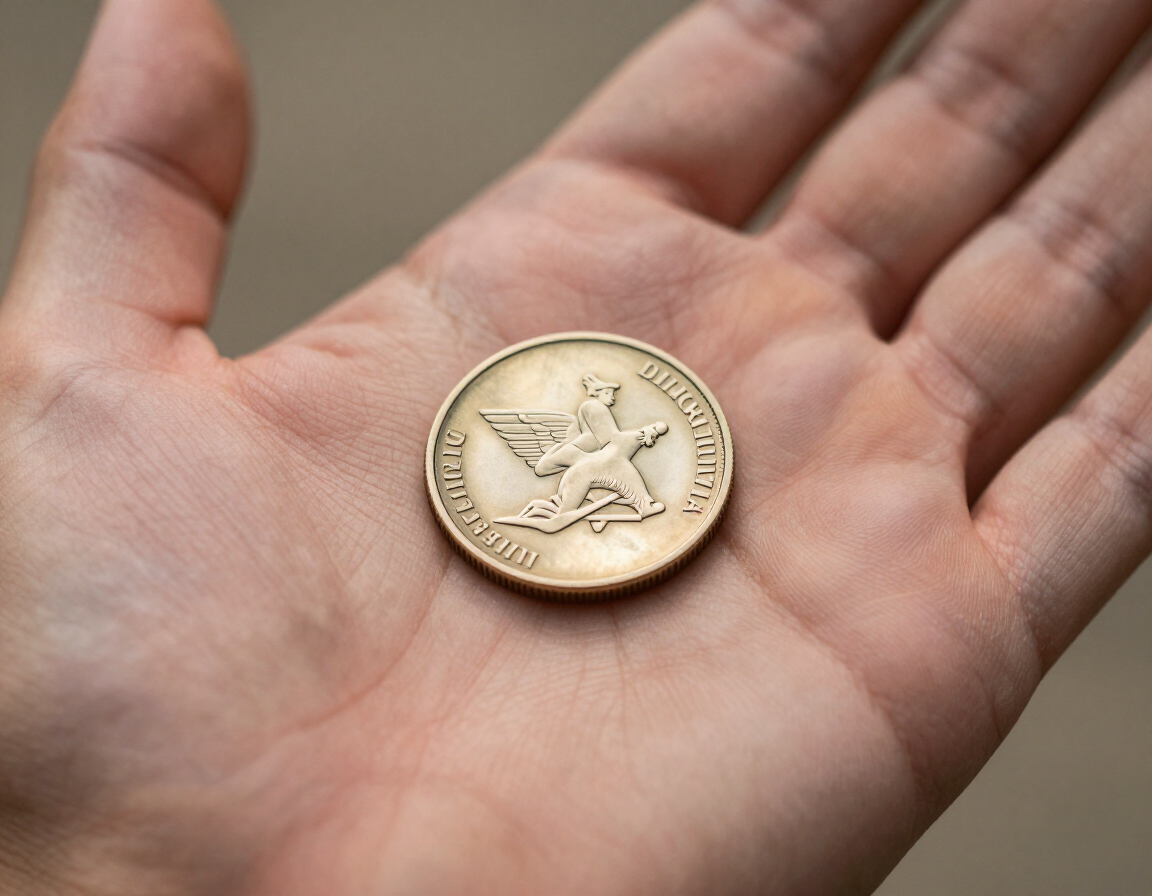
Challenge coins started as unit tokens in the military — proof you belonged, carried in a pocket, and produced on demand when someone called for it. Today they're commemorative, collectible, and still deeply personal to the people who carry them. Their value has almost nothing to do with the metal and everything to do with the unit, the story, and the era.
How to Store and Handle It
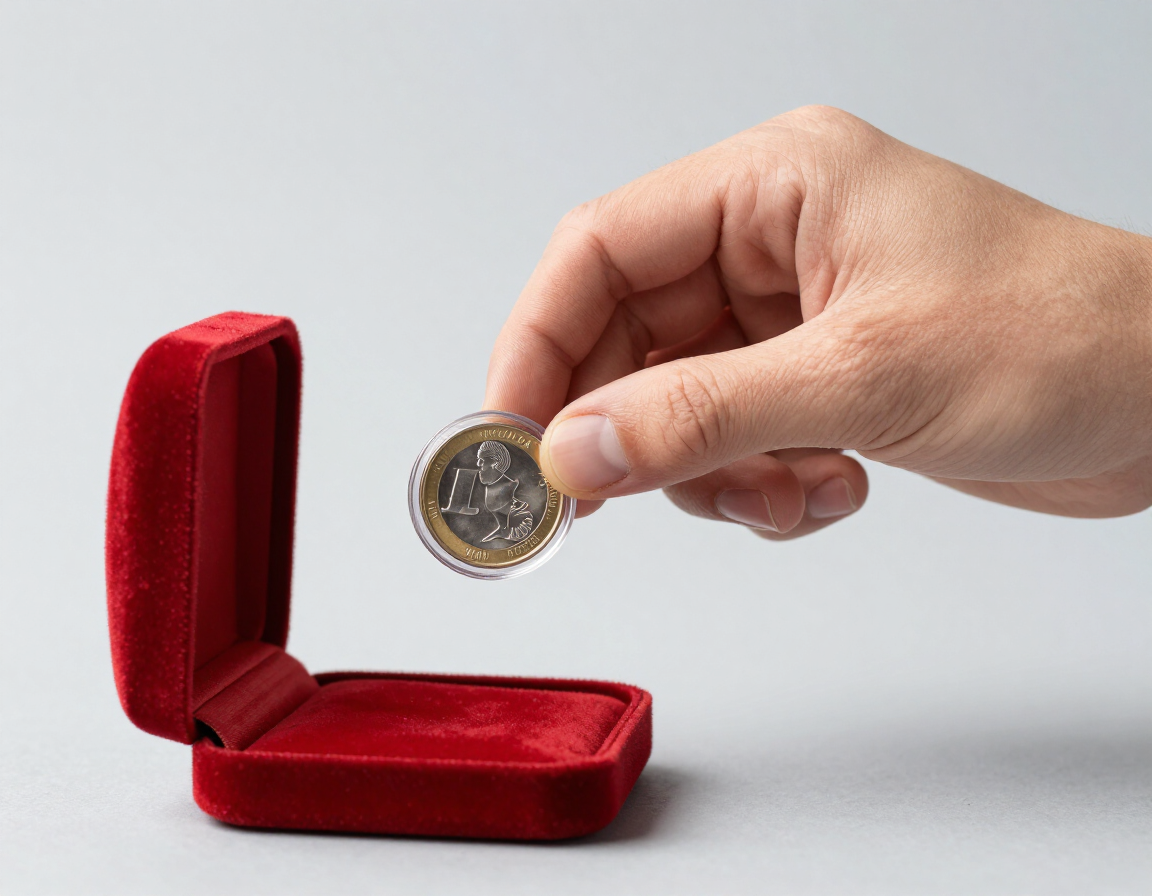
Handle coins by the edges, not the faces — skin oils etch metal over time, and copper is especially unforgiving. Keep pieces in their capsules or flips, store them somewhere dry, and don't ever clean a coin to make it look better. Cleaning strips the surface and can destroy the value of a piece that took decades to earn its patina. Tarnish is not damage. Scrubbing is.
Still Have Questions?
Questions the internet didn't answer? Call — that's the whole point of buying from a person.